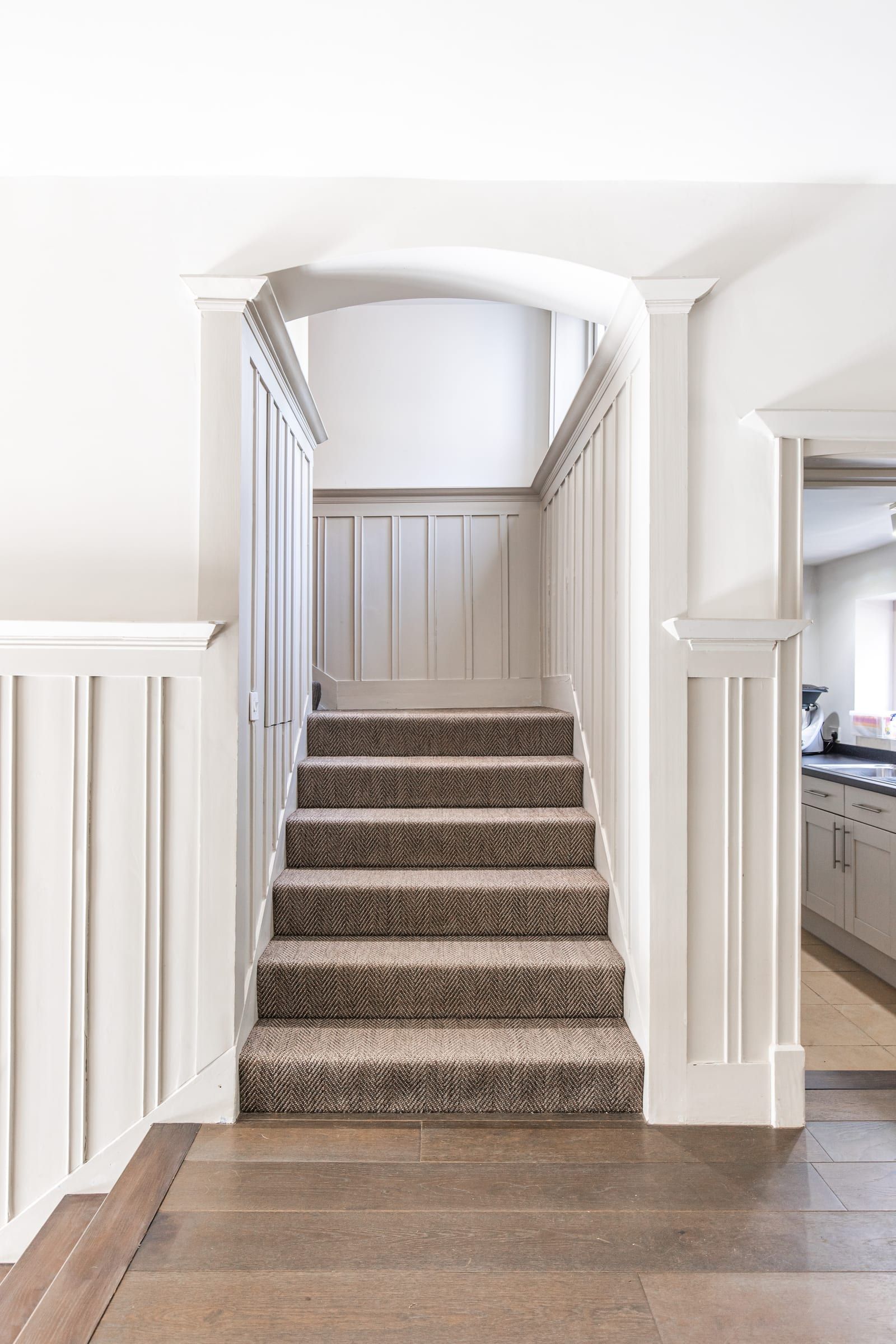
The Arts and Crafts movement, which flourished from the 1880s through to the early twentieth century, produced some of the most characterful domestic architecture in Britain. Born from a reaction against the uniformity and poor workmanship of industrial-era housing, the movement championed handcrafted materials, honest construction, and an intimate relationship between building and landscape.
Norfolk, with its tradition of fine brickwork, local flint, and skilled joinery, proved fertile ground for the movement. A scattering of Arts and Crafts houses can be found across the county — each one individual, each one reflecting the principles of craftsmanship and beauty in everyday life that William Morris and his contemporaries championed.
What Defines an Arts and Crafts House?
Arts and Crafts houses are recognisable by their emphasis on natural materials, handmade details, and a sense of organic connection to the site. Common features include:
- Exposed structural timbers— honest construction where the bones of the building become part of its beauty
- Handcrafted joinery— panelling, built-in furniture, window seats, and inglenook fireplaces
- Local materials— Norfolk flint, red brick, clay tiles, and locally sourced timber
- Asymmetric, organic plans— rooms arranged for living, not for show, often with unexpected angles and generous proportions
- Integration with the garden— broad terraces, French doors, and planting that softens the boundary between house and landscape
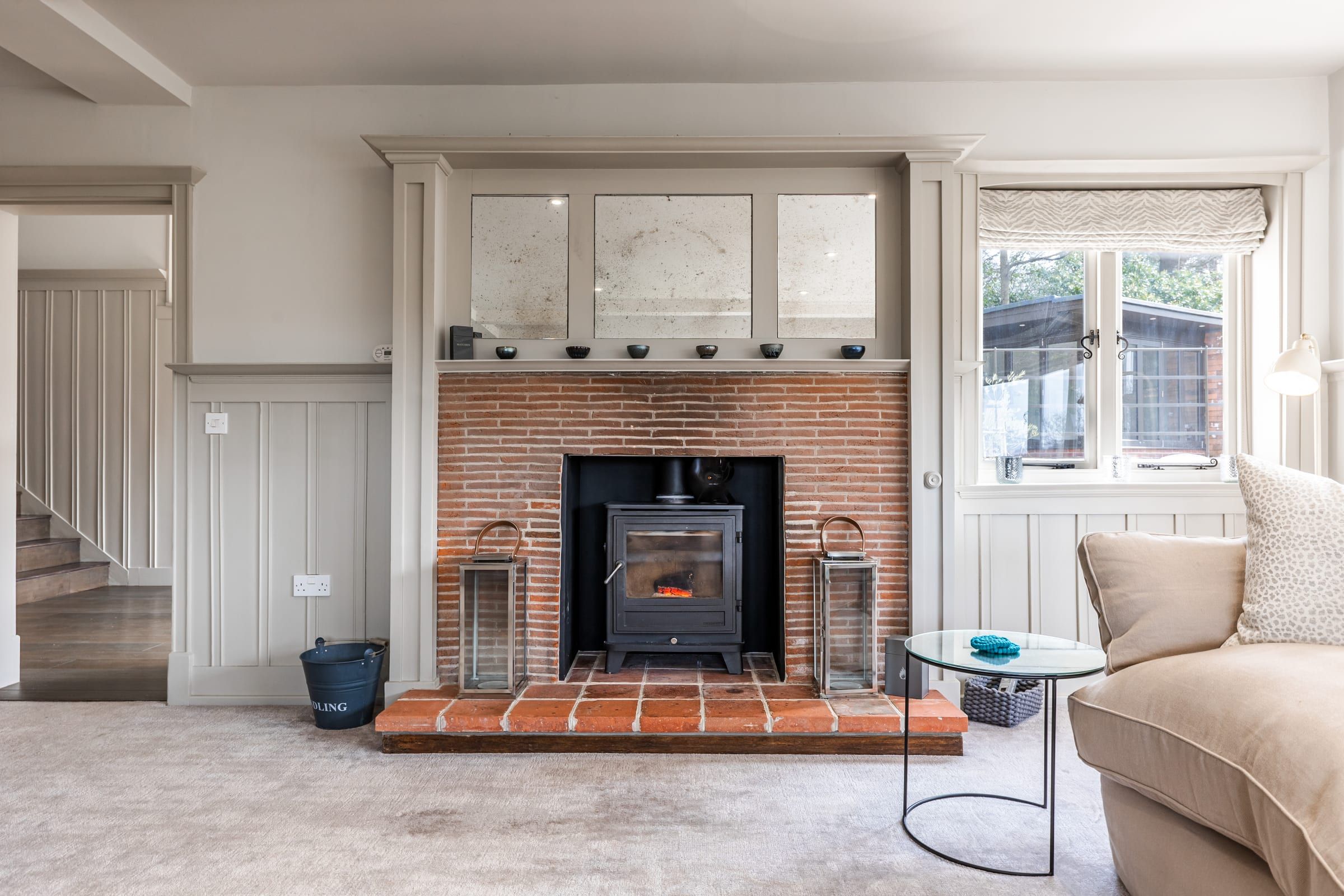
Orchid Lee — Arts and Crafts in West Runton
Orchid Lee was built around 1907 in the village of West Runton, on the North Norfolk coast. The house is a fine example of the movement's domestic ideals: generous proportions, period timber panelling, exposed brick fireplaces with wood-burning stoves, herringbone flooring, and handcrafted details throughout.
Unlike many period properties that have been stripped of character through unsympathetic modernisation, Orchid Lee has been carefully restored to preserve and enhance its original features. The reception hall retains its arched doorways and timber panelling. The drawing room fireplace, with its original surround and wood-burning stove, is the centrepiece of the ground floor. Upstairs, vaulted ceilings and dormers give the bedrooms a distinctive character that no new-build can replicate.
The restoration has been complemented by thoughtful modern additions. The bespoke kitchen by Naked Kitchens of Norwich, centred around an Everhot range, is contemporary in design but sympathetic to the house's character. A sandstone terrace connects the kitchen to the garden — a natural extension of the living space that an Arts and Crafts architect would recognise and approve.
Why Arts and Crafts Homes Endure
Arts and Crafts houses were built to be lived in, not merely admired. The generous room proportions, the quality of materials, and the attention to how light moves through a space mean they adapt well to modern family life without losing their soul. They are houses with atmosphere — places where the craftsmanship of a previous century continues to give daily pleasure.
Properties of this quality and character rarely come to market in Norfolk. Orchid Lee is offered for sale through Sowerbys in Holt at a guide price of £1,675,000 freehold.